...where sympathy springs up again, life springs up again
“You know, what makes the prison disappear is very deep, serious attachment. To be friends, to be brothers, to love; that opens the prison through sovereign power, through a most powerful spell. But he who doesn’t have that remains in death. But where sympathy springs up again, life springs up again.”
― Vincent Van Gogh
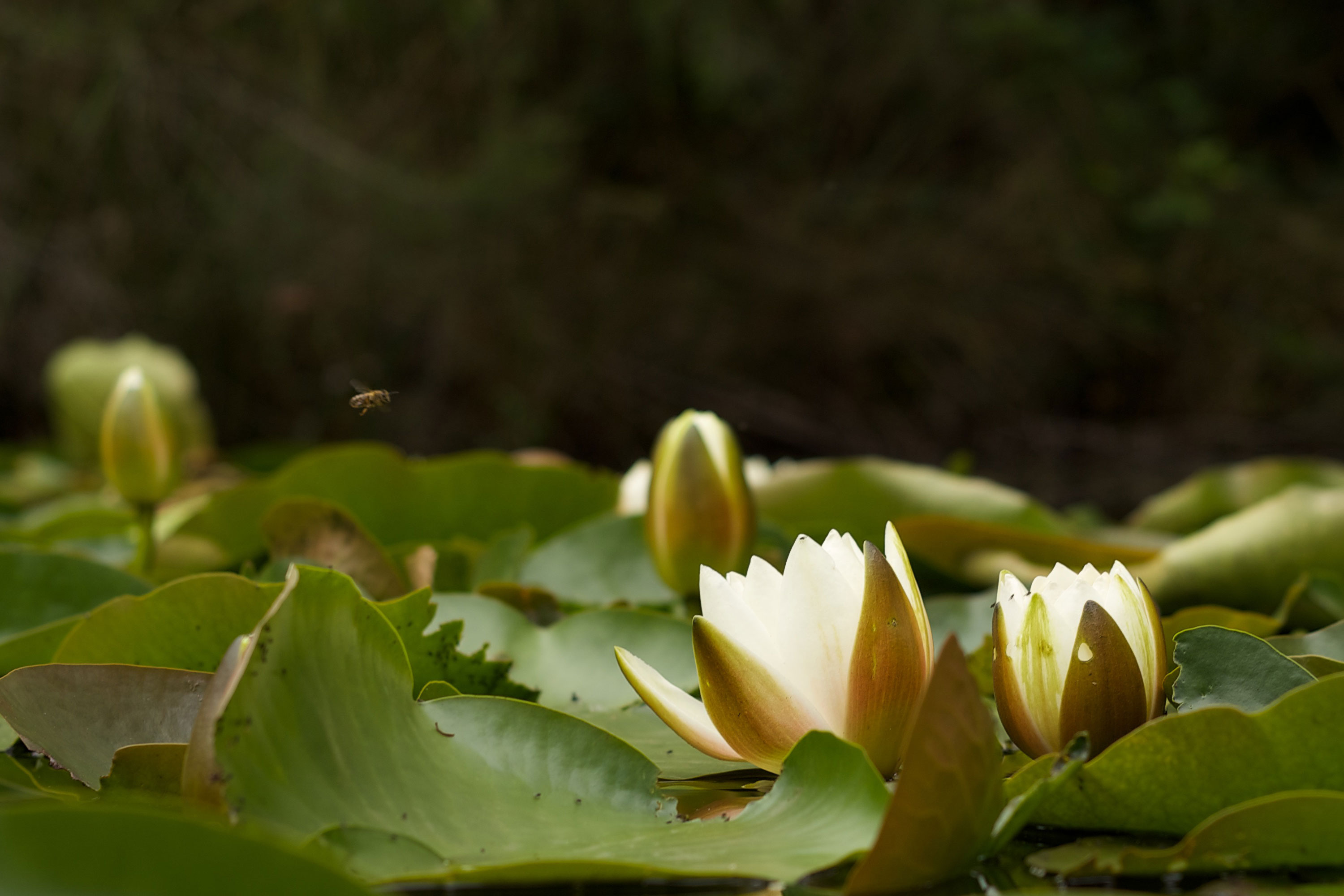
Nymphaeaceae
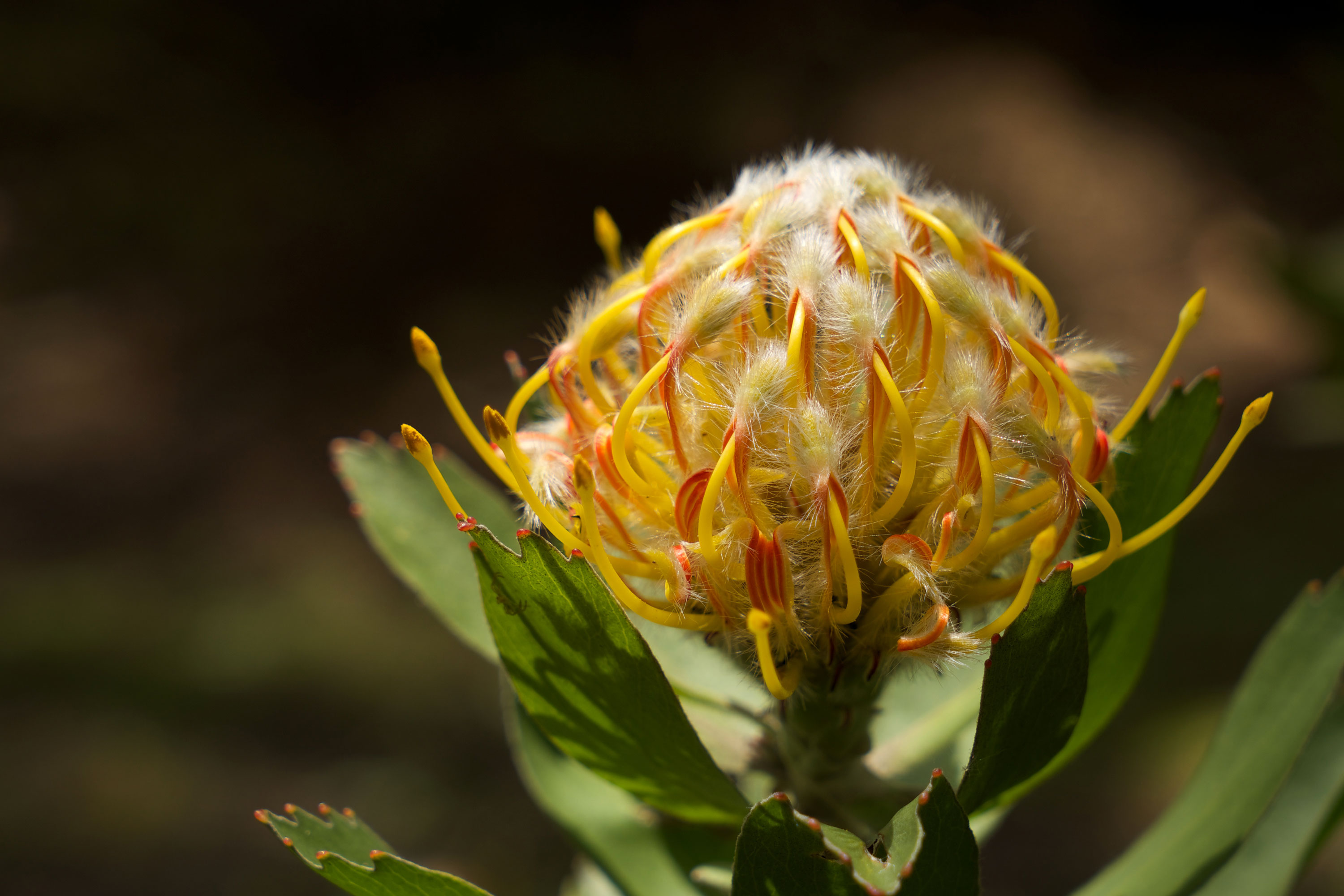
Leucospermum Veldfire
Glossodia major
Glossodia major, commonly known as the Waxlip Orchid is a small terrestrial orchid, found in eastern Australia. This plant first appeared in scientific literature in 1810, in the Prodromus Florae Novae Hollandiae authored by the prolific Scottish botanist, Robert Brown.
Reaching 12–32 cm in height, Glossodia major consists of a single herbaceous stem and lanceolate leaf which measures 4 to 15 cm long. One or two flowers appear from August to October. Measuring up to 6 cm across, they are predominantly purple but occasionally white. The labellum is white at the base.
The wagtail nest is a small crucible of fine twigs and strips of bark. The nest sits within an oak fork, tightly bound around the branches with cobwebs. The wagtails monitor the nest, faces bearded with spider webbing, their white lightning eyebrows alert to anything that might disturb their home.